Cultural Etiquette at Shrines & Temples
How to Visit Respectfully in Japan
It’s almost guaranteed you’ll visit at least a few of Japan’s beautiful shrines and temples during your travels. These places are not only historic landmarks — they’re active spiritual sites. Knowing a few basics helps you visit respectfully and feel confident while you’re there.
Japan has two main types of sacred sites:
Shinto Shrines (Shinto religion)
Buddhist Temples (Buddhism)
They can look similar at a glance, but each has its own customs. Here’s how to tell the difference — and what to do once you arrive.
Quick Guide: Shrine or Temple?
✔️ Shinto Shrine Clues
Look for:
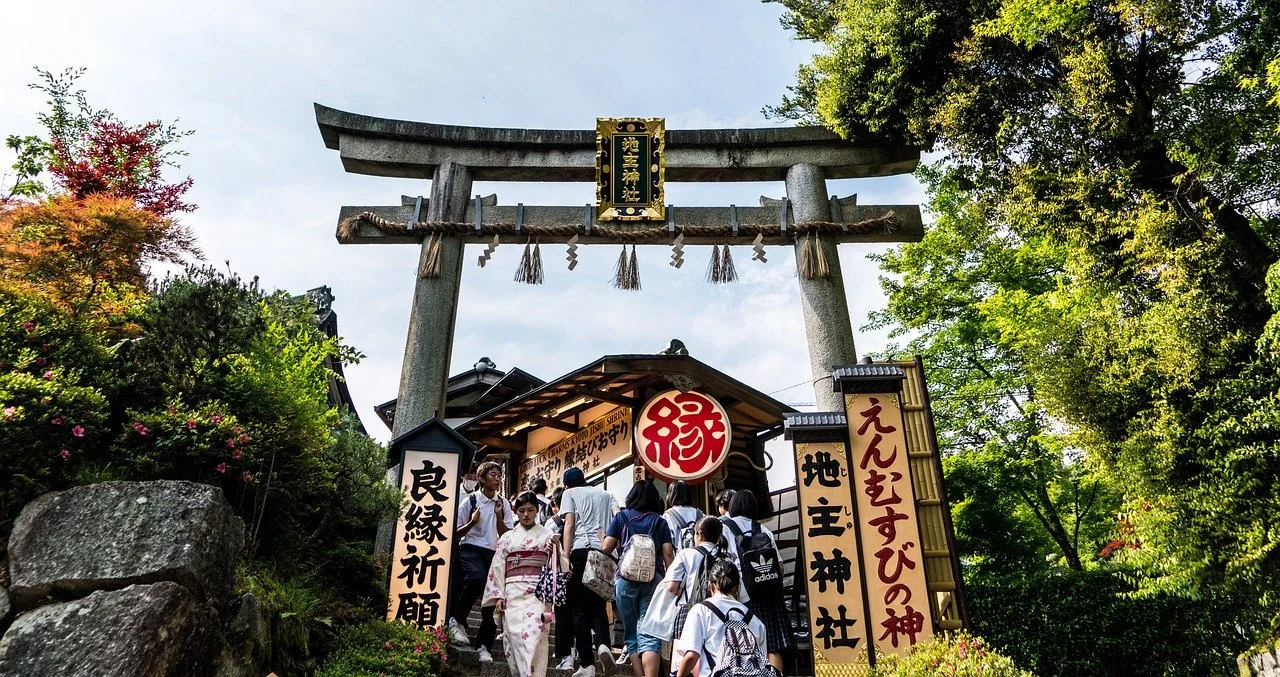
A torii gate (often red, sometimes wood or stone) at the entrance
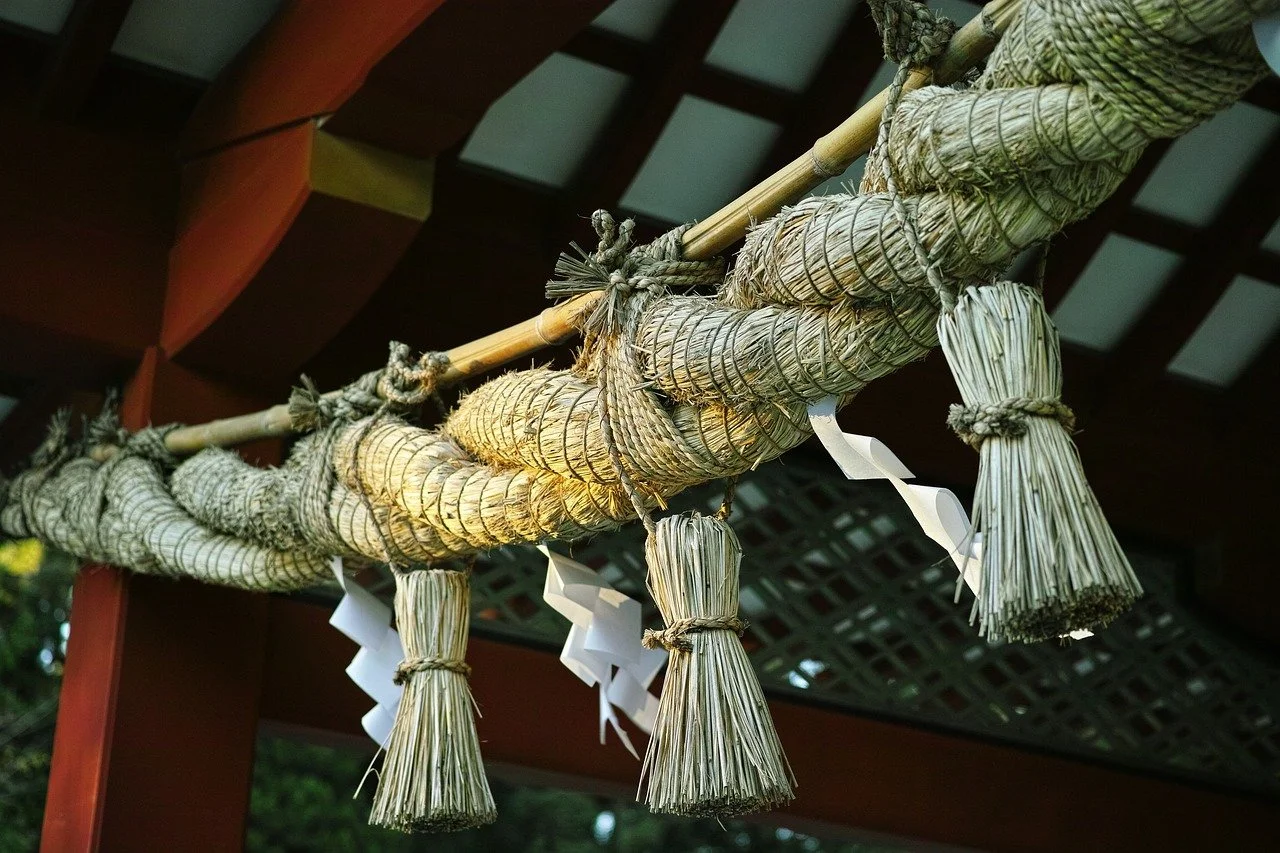
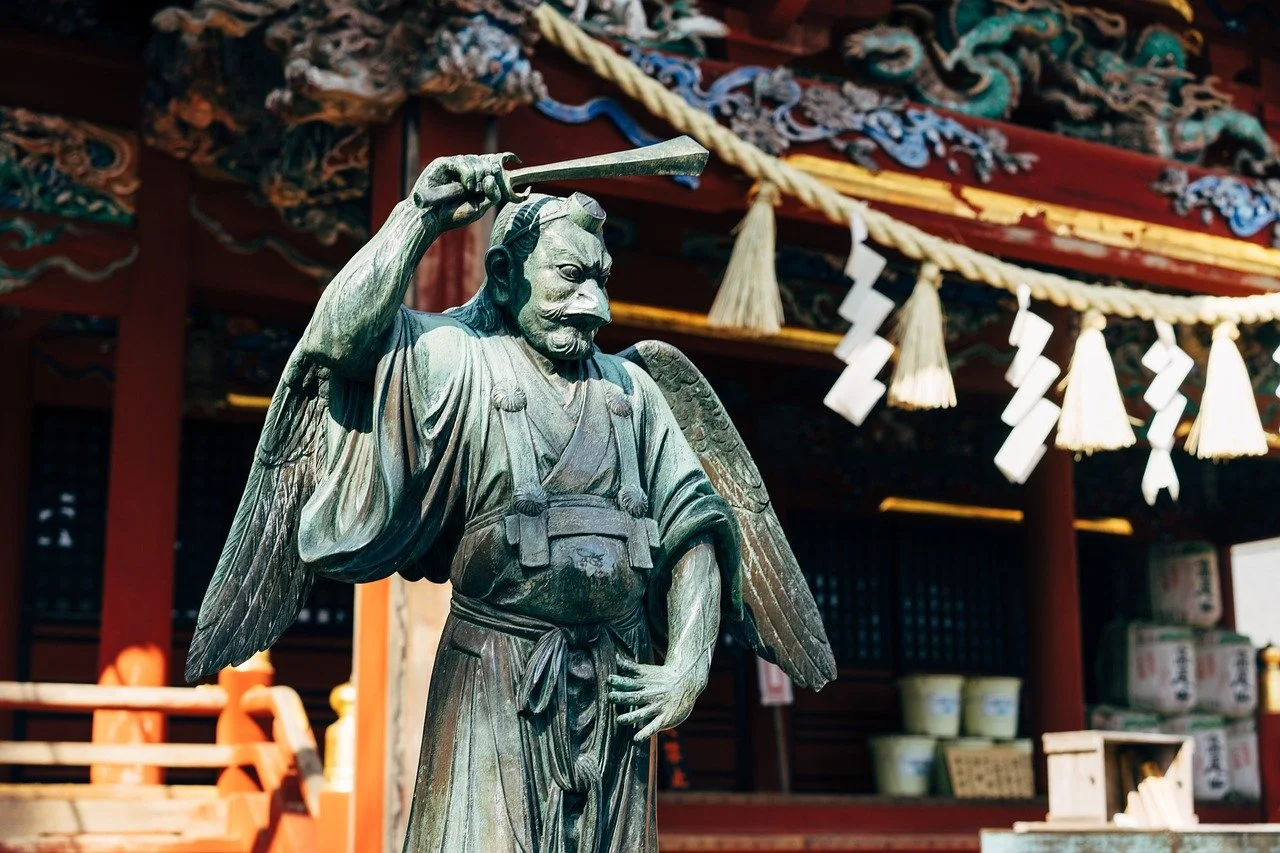
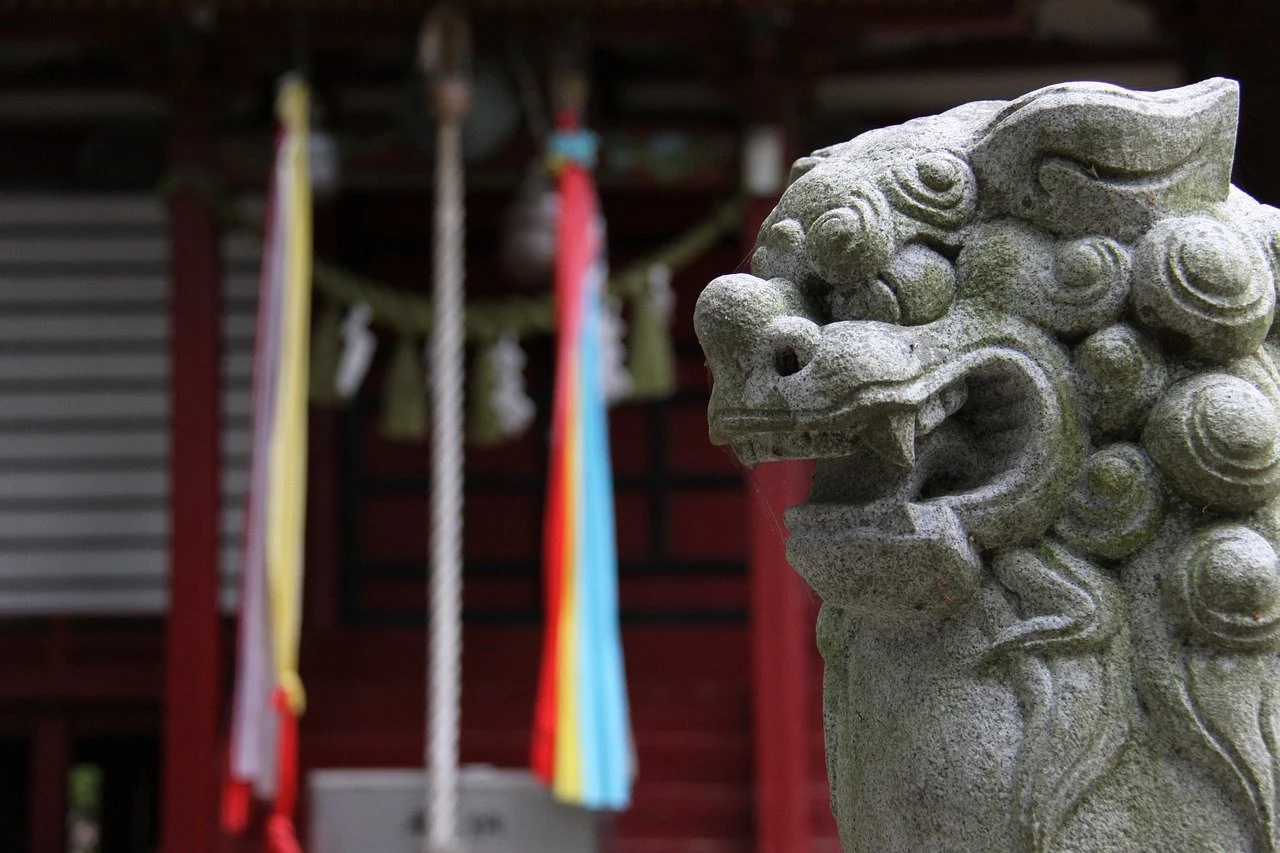
Shimenawa ropes (rice-straw ropes with zig-zag paper streamers called shide)
Often fox statues at Inari shrines (not always, but common)
✔️ Buddhist Temple Clues
Look for:
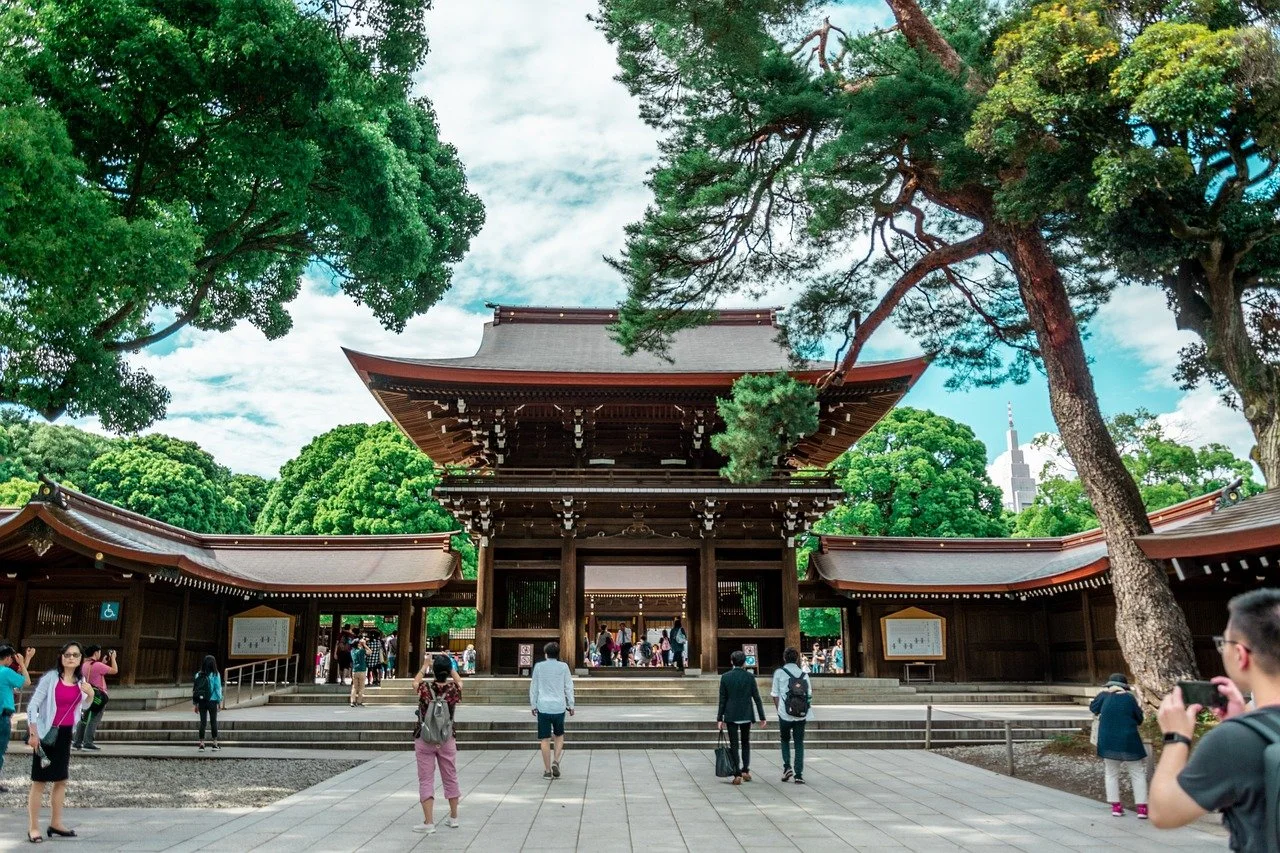
A large wooden gate called a sanmon (traditional temple gate)
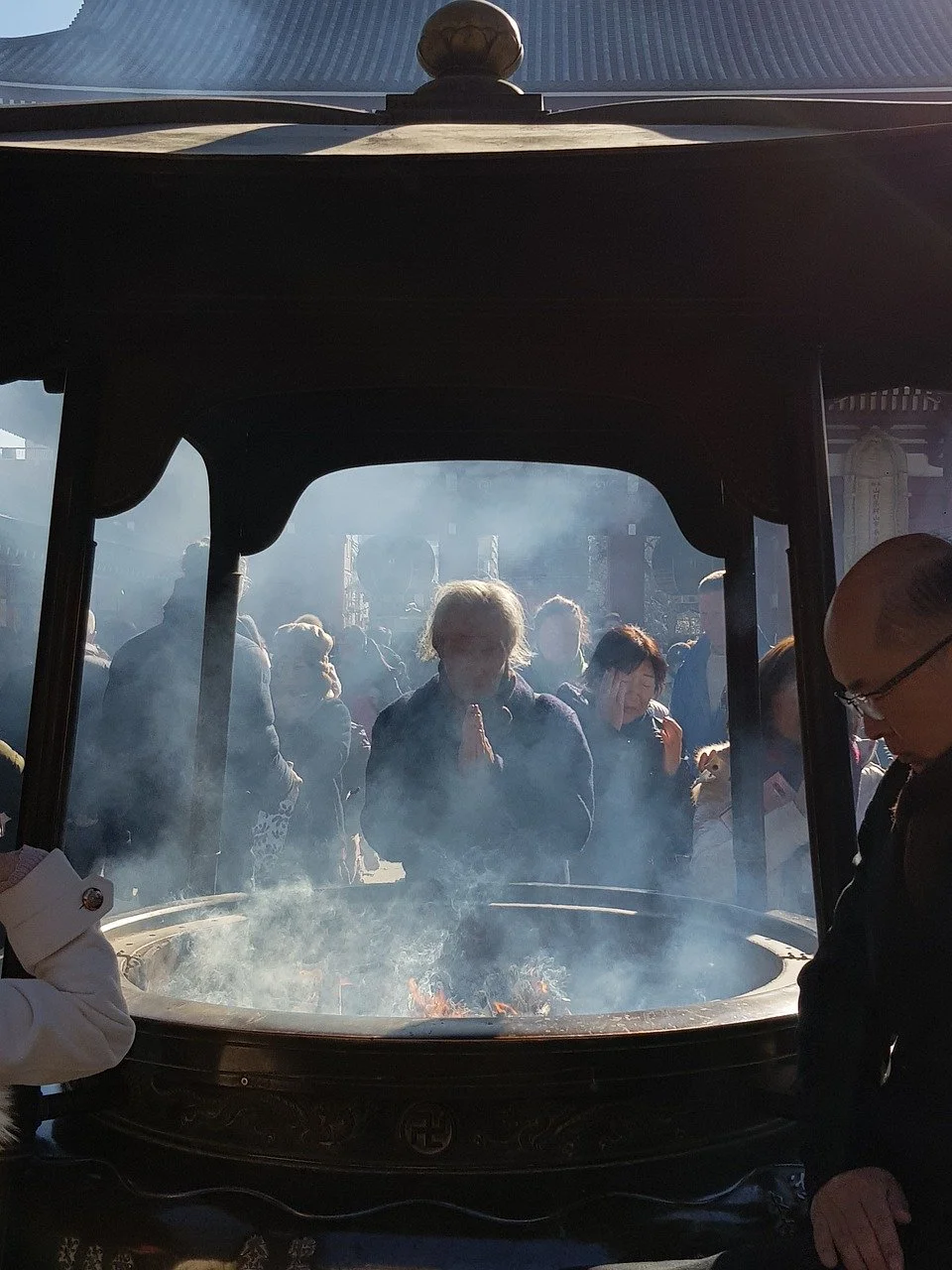
Incense burners (large bowls where smoke is wafted over the body)
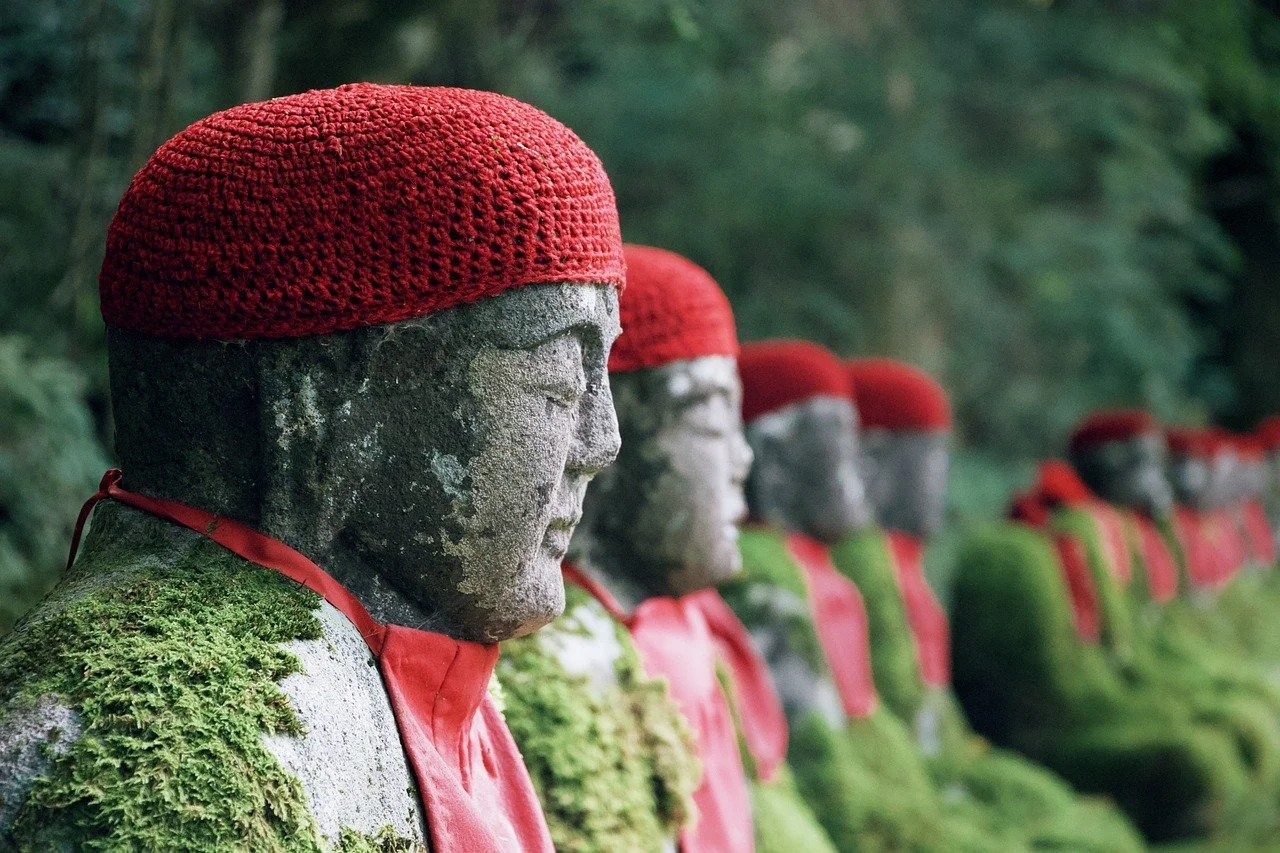
Statues like Jizo (often wearing red bibs or hats)
Shinto Shrines
Shinto is Japan’s indigenous belief system, centred on reverence for nature and kami — sacred spirits that may inhabit mountains, rivers, trees, or particular places.
Passing Through a Torii Gate
A torii gate marks the transition from the everyday world into sacred space.
What to do:
Pause briefly and bow once before entering (and again when leaving)
Walk to the left or right side of the path
The centre is traditionally considered the “kami’s path”
Before Entering: Purification at the Chozuya (Temizu)
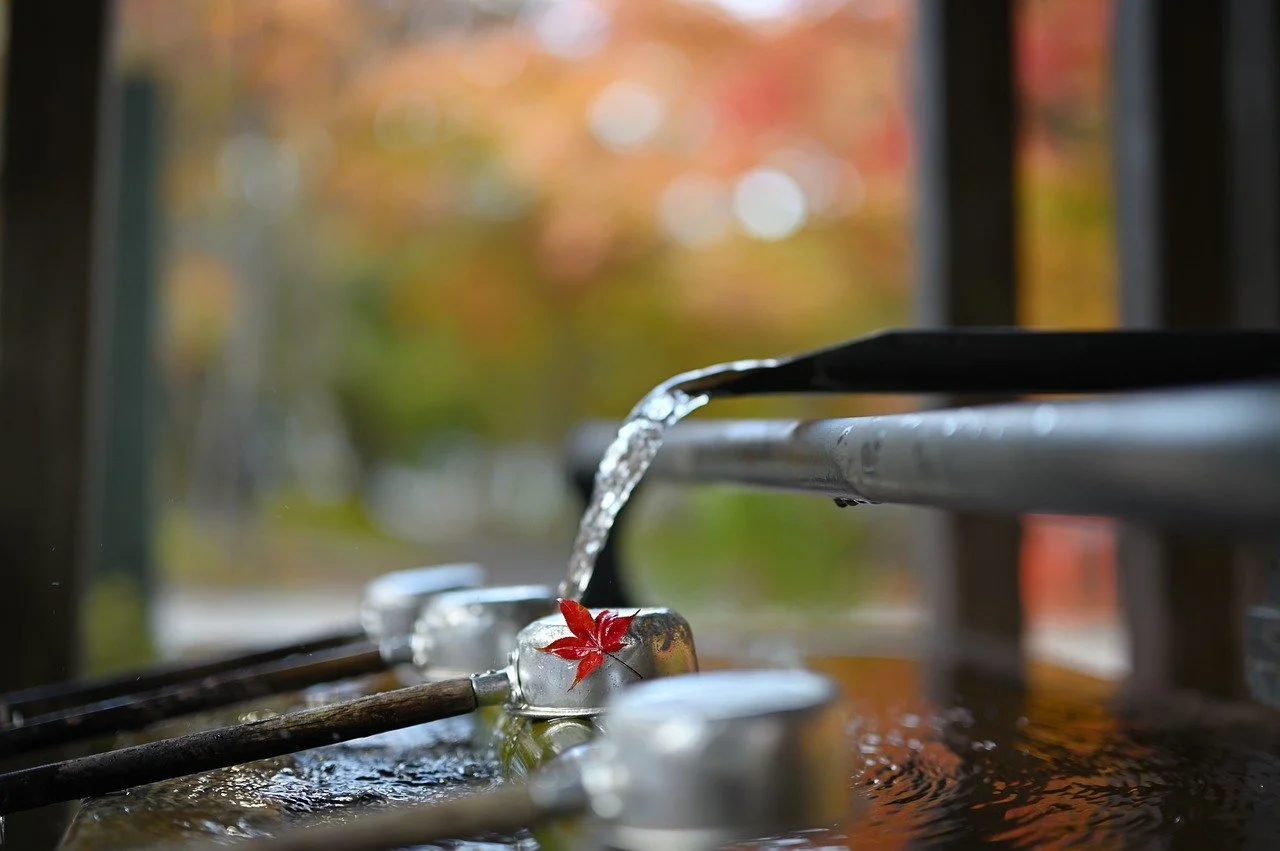
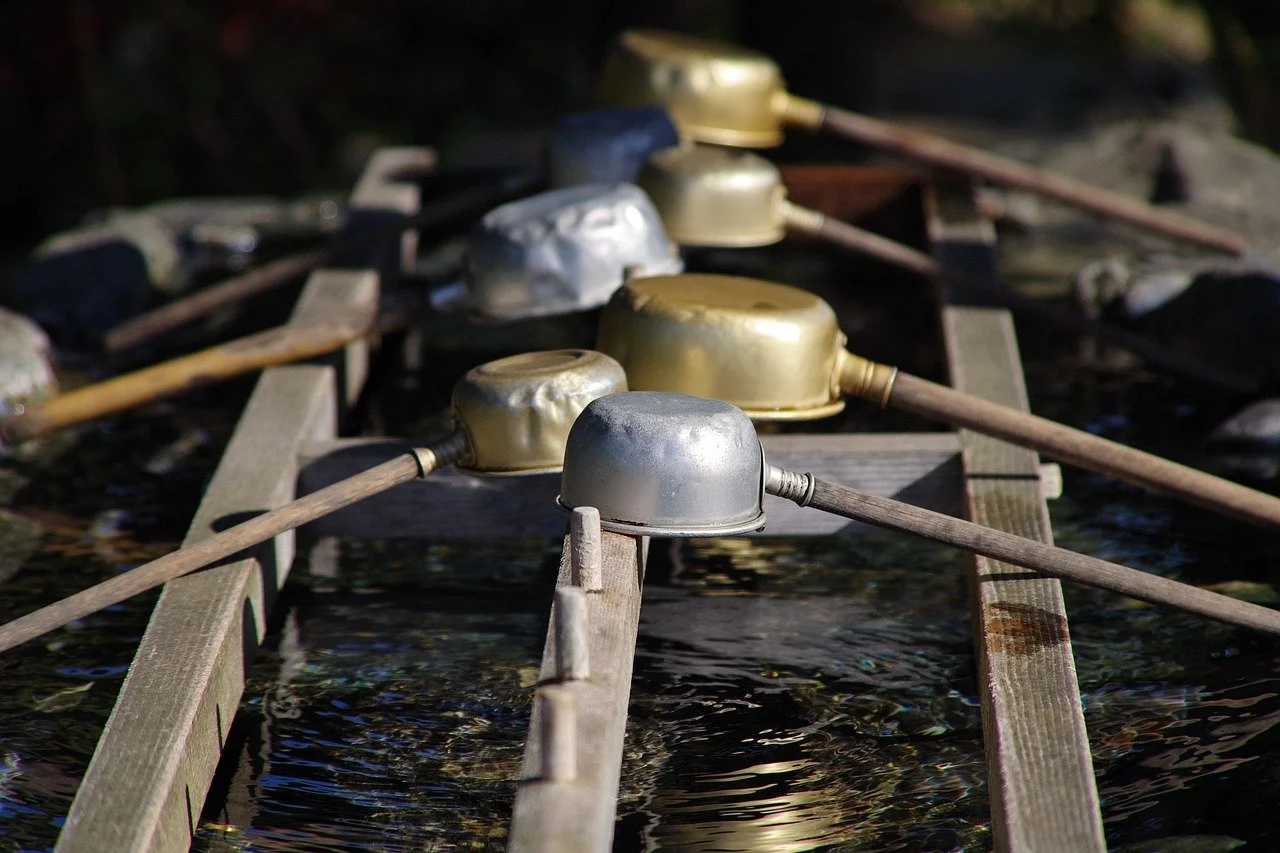
Most shrines have a water pavilion called a chozuya (or temizuya) near the entrance. This ritual is a symbolic cleansing before approaching the kami.
Temizu Steps (Simple Version)
Pick up the ladle with your right hand
Pour water over your left hand
Switch hands; pour water over your right hand
Pour water into your left hand and rinse your mouth (do not drink; spit beside the basin)
Tilt the ladle upright so remaining water runs down the handle (cleaning it)
Return the ladle neatly
If the chozuya is closed or busy, it’s perfectly fine to simply bow politely and continue.
How to Pray at a Shinto Shrine
At the main worship area (often near the offering box saisen-bako):
Gently place your offering into the box
Many people use a 5-yen coin because “go-en” sounds like “good connections”
If there is a bell, ring it gently
Bow twice (deeply)
Clap twice
Hold your hands together and pray silently
Bow once more
Some shrines use a different number of claps — if so, it’s usually written nearby.
Buddhist Temples
Buddhism focuses on wisdom, compassion, and liberation from suffering, originating from the teachings of Siddhartha Gautama (the Buddha).
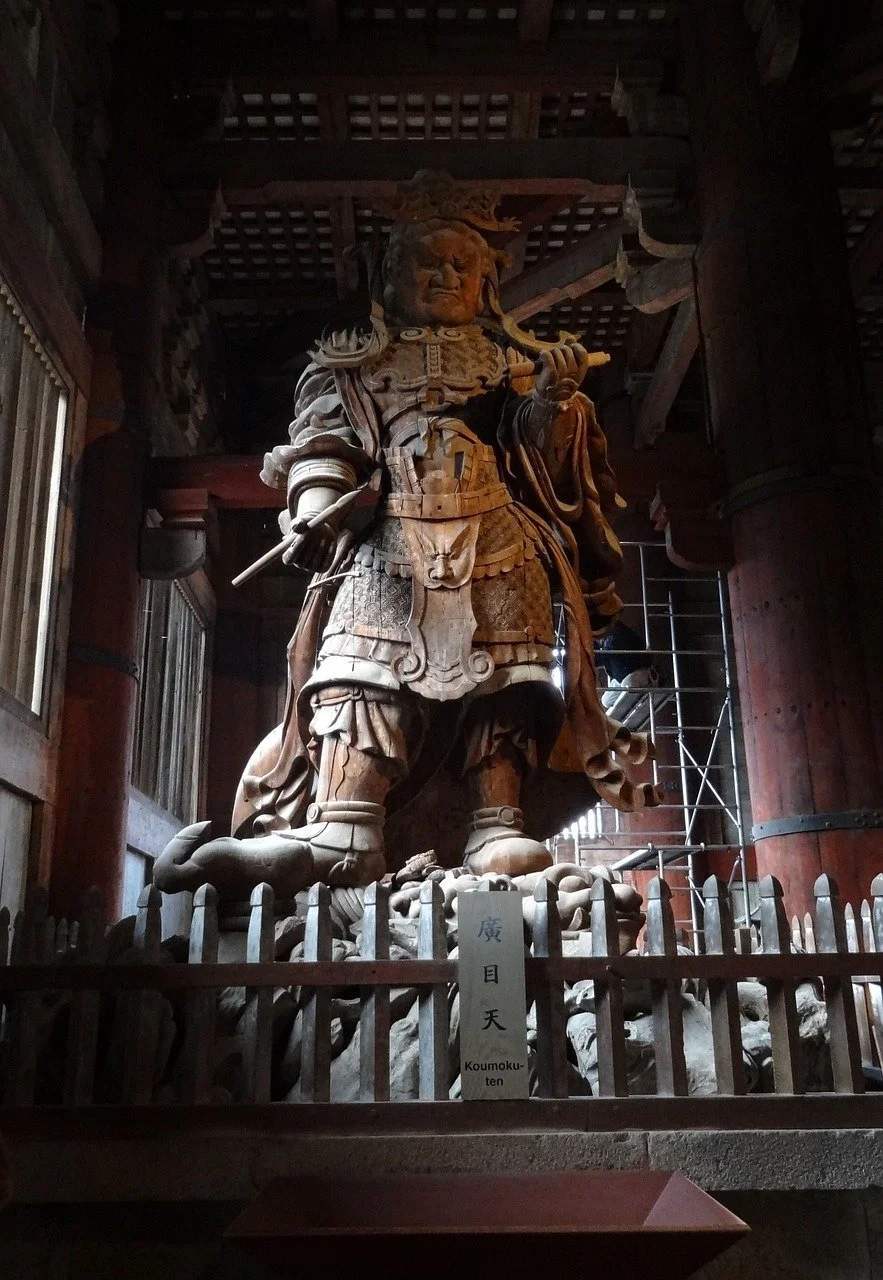
Temples are places of worship, learning, and reverence — you may see statues of Buddhas, bodhisattvas, and guardians.
Passing Through a Sanmon Gate
A sanmon gate marks entry to temple grounds.
What to do:
Remove hats (if wearing one) and bow slightly as you enter and exit
Step over thresholds carefully (avoid standing on them)
Before Entering: Incense Purification
Many temples have a large incense burner (often labelled jokoro).
What to do:
Light incense if available
Place it in the burner
Gently waft the smoke toward your body (people often waft it toward the head as a symbol of clarity)
Some temples also offer candles:
Light your candle from a central flame if provided
Avoid lighting from another person’s candle if possible
Place it in the appropriate holder
Not every temple requires incense participation — it’s optional and respectful either way.
How to Pray at a Buddhist Temple
At the main hall (often with an offering box):
Gently place your offering in the saisen-bako
If there is a bell or gong, ring it gently
Place your hands together and bow
Pray silently
Unlike Shinto shrines, there is no clapping in Buddhist prayer.
Some temples have a chant associated with their sect — if you’re curious, you can ask staff, but it’s absolutely not required.
Traditions You’ll See at Both Shrines & Temples
Many practices exist at both Shinto and Buddhist sites, which is why they can be hard to tell apart. The good news: it also means you can take part comfortably even if you’re not sure which you’re visiting.

Omikuji (Fortunes)
Omikuji are paper fortunes ranging from very lucky to unlucky.
How it works:
Pay the fee (donation)
Draw a paper fortune (or shake a container to receive a numbered stick)
Match the number to a drawer and take your fortune
Read the result
What to do with it:
Good fortune: keep it (wallet, journal, suitcase, etc.)
Bad fortune: fold and tie it to the designated rack/tree (leaving bad luck behind)
Neutral: your choice — keep it or tie it
Omamori (Protection Charms)
Omamori are small protective charms in cloth pouches, often dedicated to specific wishes such as:
Travel safety
Health
Love
Academic success
Safe childbirth
They’re purchased with a donation at shrine/temple stalls.
Common practice:
Omamori are traditionally returned after about a year and replaced. As a visitor, you may not be able to return it easily — that’s okay. Keep it respectfully.
Ema (Wish Plaques)
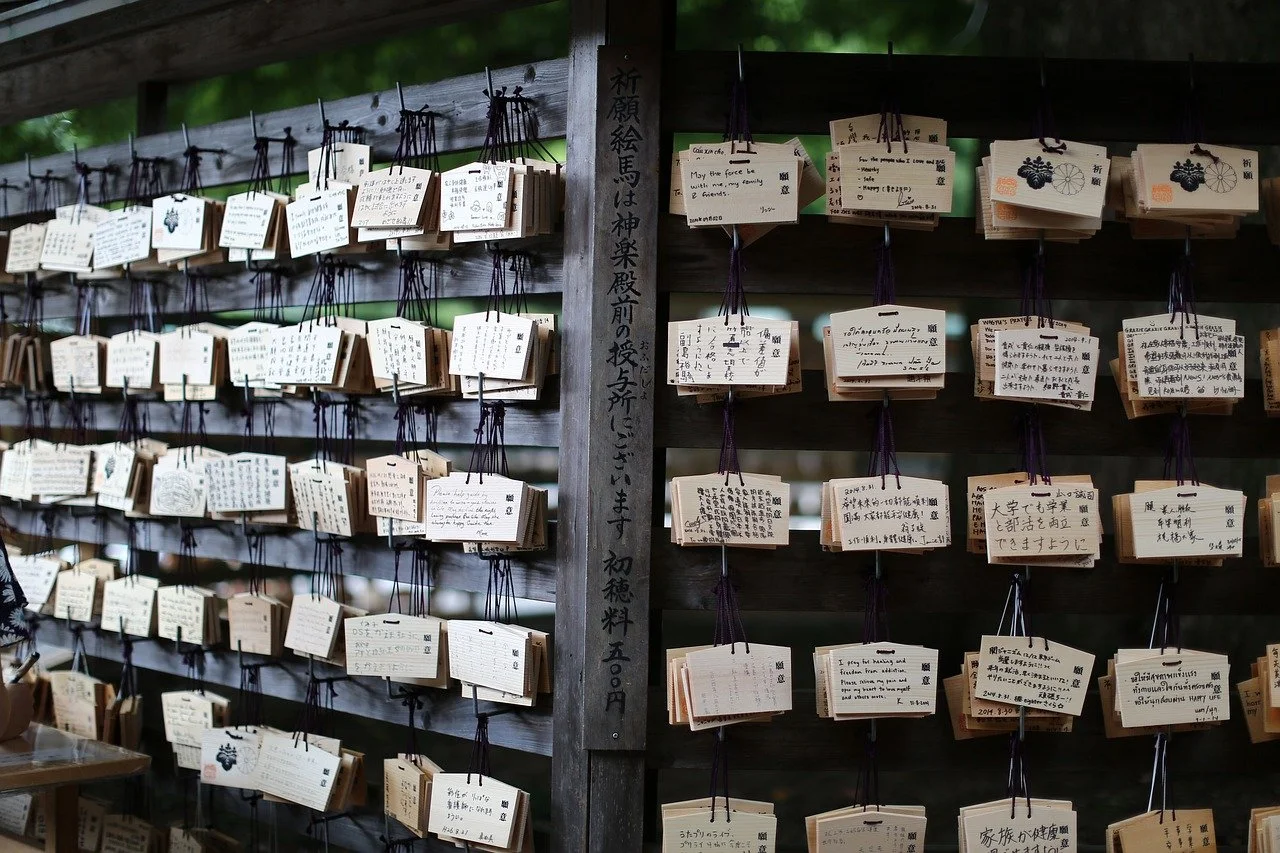
Ema are wooden plaques where you write a wish or prayer and hang it on a designated rack.
How to use:
Purchase an ema
Write your wish (often one side is blank)
Hang it on the ema rack so it can be offered symbolically to the enshrined spirits/deities
You don’t need to perform every ritual perfectly. The most important things are:
Be respectful and quiet
Follow signage and staff guidance
Don’t block pathways or sacred areas
Treat the space as someone else’s place of worship