Restaurant Etiquette in Japan
How to Dine Confidently & Respectfully
Dining in Japan is about more than just food — it’s a shared experience built on respect, care, and appreciation for the craft of cooking. While there are many customs, the good news is that visitors are not expected to be perfect.
If you approach meals with patience, politeness, and consideration for others, you’ll be warmly welcomed.
Reservations
If possible — especially when travelling with a group — making a reservation in advance is recommended, particularly for popular or high-end restaurants.
Reservations:
Show respect for the restaurant’s time
Allow staff to prepare for your arrival
Help avoid long waits or disappointment
Punctuality is very important in Japan. Arriving late without notice is considered impolite.
Many restaurants accept reservations via:
Their official website
Tabelog (Japan’s primary restaurant review and reservation platform)
If online booking isn’t available, hotel front desk staff are usually happy to make a reservation on your behalf.
If reservations aren’t possible but there is a waitlist:
Add your name and party size to the list out front
Wait until you’re called
Getting Seated
In some restaurants, staff will seat you.
In others — particularly casual eateries — you may be expected to:
Choose a seat yourself
Or find a seat before ordering
If unsure, observe other diners or ask staff.
Smoking
Since April 2020, indoor smoking has been banned in most restaurants.
However:
Some small bars and izakaya opened before April 2020 may still permit smoking
Cigar bars are also exempt
If applicable, staff may ask whether you prefer:
Smoking seating (kitsuen-seki)
Non-smoking seating (kinen-seki)
Payment Methods
Many small restaurants and bars in Japan do not accept credit cards.
Before dining:
Check accepted payment methods if possible
Carry sufficient cash
This avoids awkward situations when it’s time to pay.
Shoes & Floor Seating
In some restaurants — particularly those with:
Tatami mat rooms
Floor seating (zashiki)
Sunken table seating
—you may be asked to remove your shoes.
Shoes should be:
Left at the entrance of the room
Or placed neatly beside the raised seating area
If you’re unsure, observe others or politely ask staff.
Ordering
Menus & Translation
Many restaurants now use tablets that allow ordering in multiple languages.
If not:
English menus are often available
Translation apps with camera features can be very helpful
Handwritten menus may be harder to translate, so staff assistance may be needed.
Table Service
In many restaurants, staff will approach you when ready to order.
However, in smaller eateries or bars:
Staff may wait at their station
To avoid making guests feel rushed
If this happens:
Raise your hand
Say “sumimasen” (excuse me)
This is not rude — it’s expected.
Pointing to menu items or display photos is perfectly acceptable if you don’t speak Japanese.
Meal Expectations
Sharing & Time at the Table
It’s generally considered impolite to:
Split one meal between multiple people
Order only drinks without food
Restaurants are often small and rely on steady table turnover.
Similarly, lingering long after finishing your meal is discouraged.
Menu Changes & Dietary Requests
Japanese menus are designed carefully for consistency and quality.
Asking to:
Modify dishes
Order off-menu items
Remove ingredients
is generally discouraged and may not be accommodated, even if the request seems simple.
If you have dietary requirements, it’s best to:
Choose items that already meet your needs
Research suitable restaurants in advance
Before the Meal
Oshibori (Hand Towels)
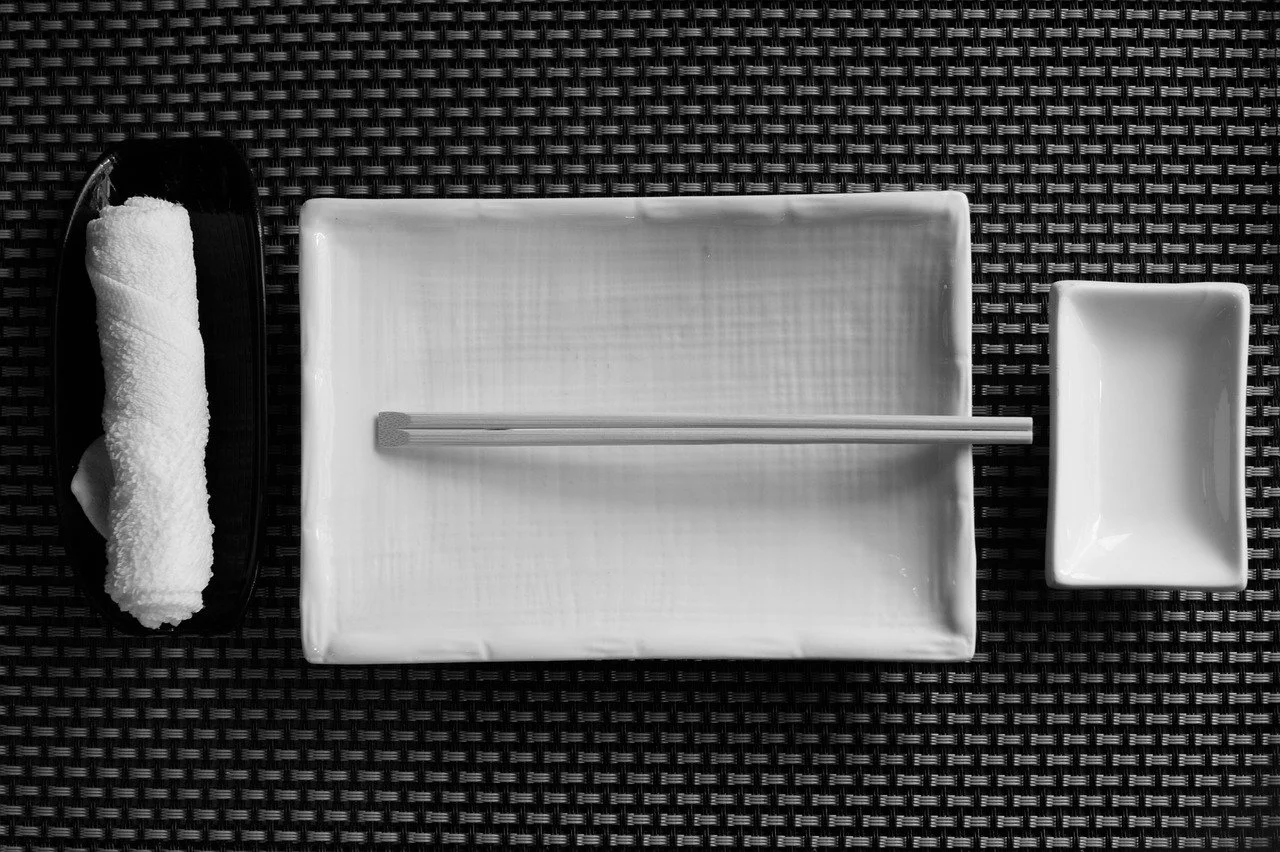
You may be given a warm or cool hand towel (oshibori) to clean your hands.
Use it for your hands only
Not for your face
Fold or roll it neatly when finished
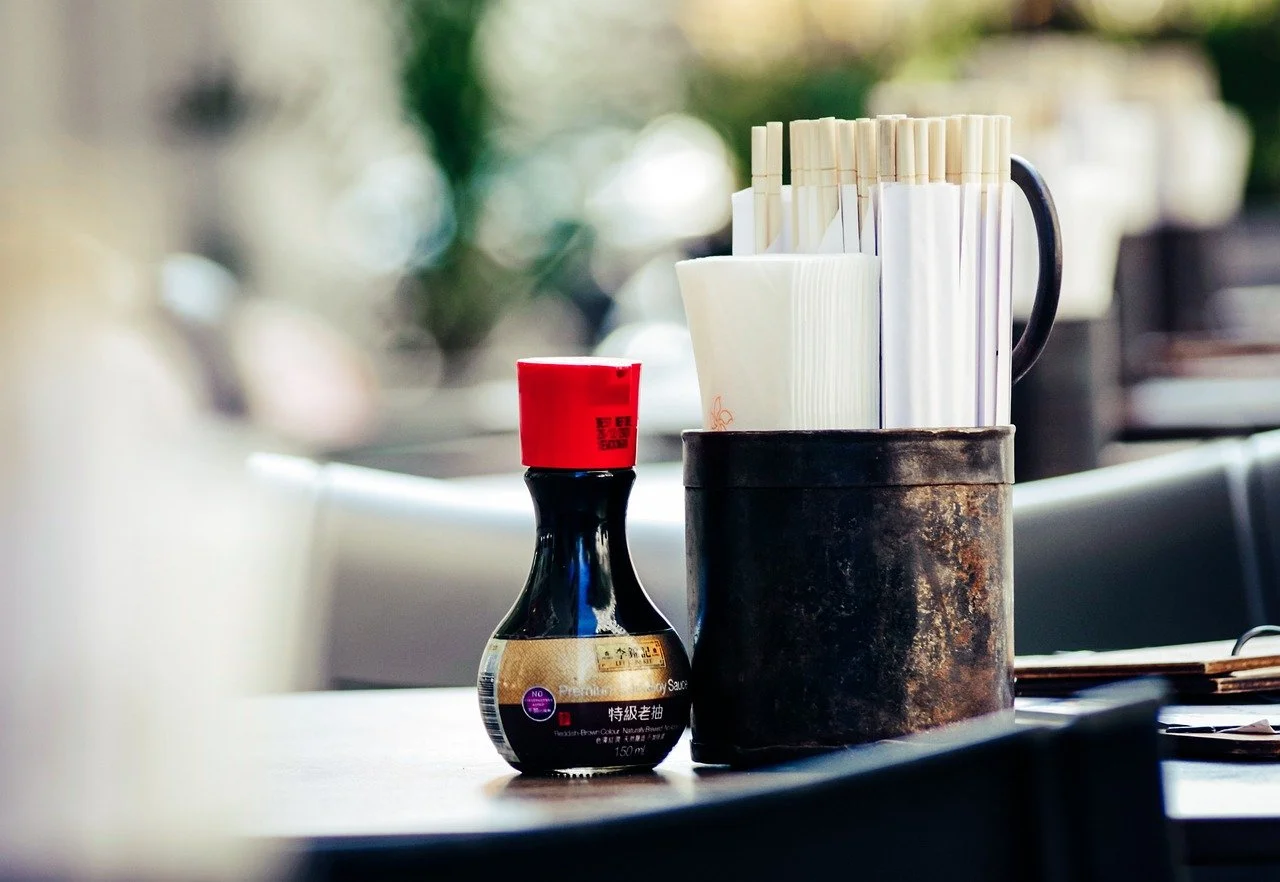
Soy Sauce
Rather than pouring soy sauce directly onto food:
Pour it into the small dish provided (shoyu-zara)
Dip food lightly as you eat
Itadakimasu
Before eating, it’s customary to:
Bring your hands together
Bow your head slightly
Say “itadakimasu”
This expresses gratitude for the food and everyone involved in preparing it.
Chopstick Etiquette
A few important basics:
Avoid pointing with chopsticks
Use a chopstick rest (hashi-oki) when not eating
Don’t rest used chopsticks directly on the table
Don’t stab food with chopsticks
Don’t rub disposable chopsticks together
Never stick chopsticks upright into rice (funeral symbolism)
When sharing dishes:
Use communal serving chopsticks if provided
Or use the opposite ends of your chopsticks
Never pass food directly from chopsticks to chopsticks
Try to finish your food. Leaving large amounts is discouraged, though visitors are given understanding.
Small bowls are meant to be:
Held in one hand
Eaten from directly with chopsticks
This helps you finish neatly.
Finishing the Meal
It’s polite to:
Return dishes to how they were at the start
Replace lids
Rest chopsticks neatly
Taking leftovers home is uncommon in Japan, as:
Leaving food is discouraged
Food safety and freshness are prioritised
Portion sizes are usually smaller, so leftovers are rare.
Paying the Bill
In many restaurants:
The bill is brought to the table
You take it to the counter to pay
If ordering via tablet, the bill may already be on the table.
If you need to ask for the bill:
“Cheku, onegaishimasu” (Cheque, please)
Tipping
Tipping is not customary in Japan and can be confusing or even offensive.
Excellent service is considered standard and a point of pride.
To show appreciation, say:
“Gochisousama deshita”
(Thank you for the meal)