
Japan Visa Fees & Departure Tax Set to Rise in 2026: What Travelers Must Know
Japan is preparing for a major update to travel-related fees in 2026 that will affect many international visitors. For the first time in decades, both visa application fees and the international departure tax — often built into airline tickets — are expected to increase significantly. These changes are part of a broader strategy to manage over-tourism, fund infrastructure improvements, and ensure a better travel experience for visitors.
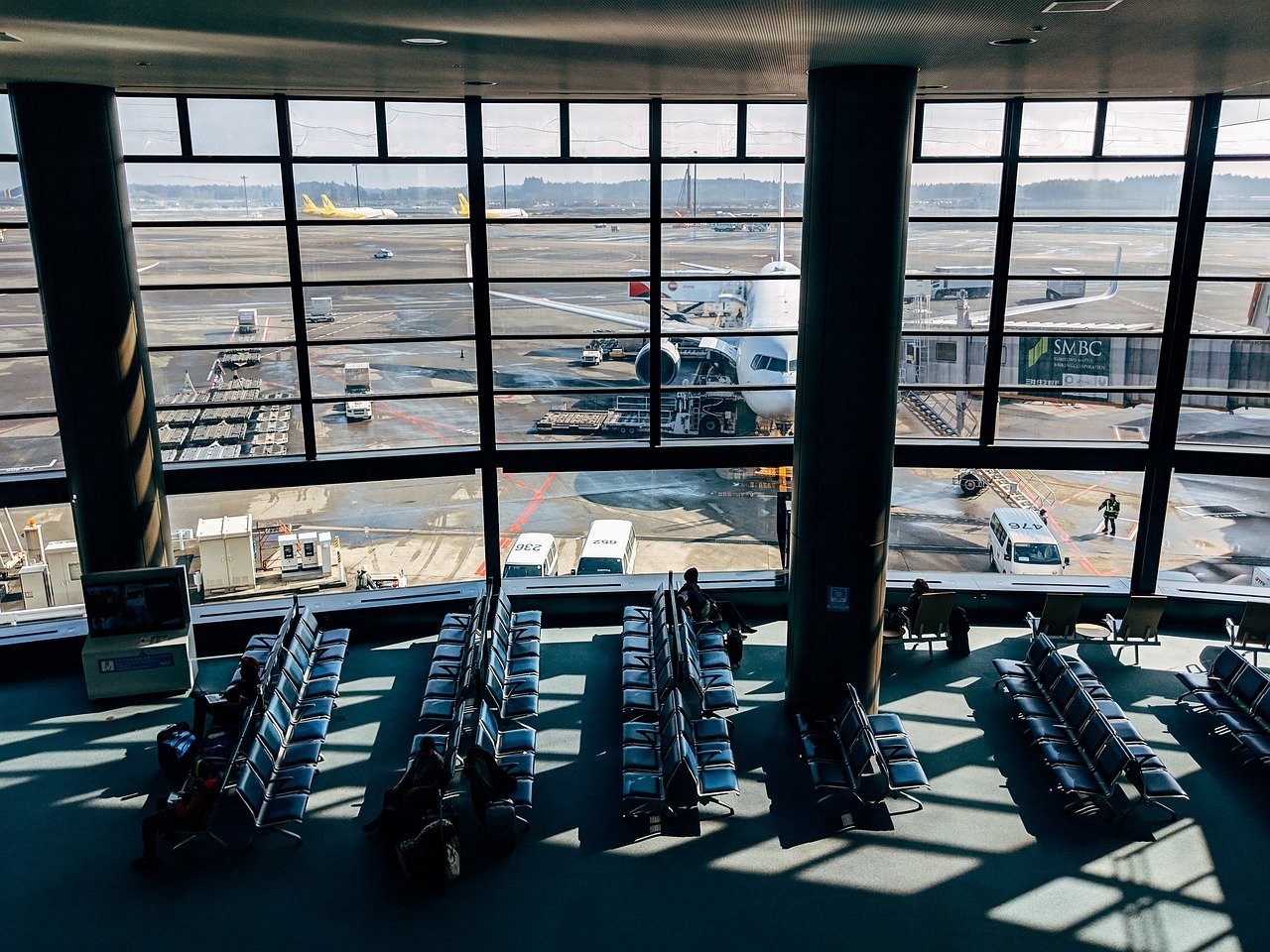
Why the Fee Increases Are Happening
Japan has seen record levels of tourism in recent years, putting pressure on popular cities, transport systems, and cultural sites. To address these challenges, the government is looking at several policy adjustments: raising departure taxes, updating visa fees that have remained unchanged for decades, and eventually introducing a new travel authorization system.
Departure Tax: What’s Changing
The international departure tax — a flat fee currently included in the cost of leaving Japan — is set to increase from ¥1,000 per person to around ¥3,000 beginning in fiscal 2026. This fee is paid by all travelers departing Japan, including foreign tourists and citizens. The extra revenue will go toward efforts to manage overtourism and fund improvements in tourism infrastructure and services.
What you should know:
The departure tax is added to airline tickets and other transport fares at departure.
The new amount, if approved, will be more aligned with similar fees charged by other countries.
Visa Fees: First Increase in Decades
Japan has not updated its short-stay visa fees since at least the late 1970s — currently about ¥3,000 for single-entry and ¥6,000 for multiple-entry visas. With the expected revision in 2026, these fees will be raised to better align with global standards. While the exact new amounts have not yet been officially announced, analysts expect a notable increase to reflect administrative costs and international norms.
Note:
Travelers from many countries — including the U.S., UK, Australia, and most of Europe — already enjoy visa-exempt entry for short stays and therefore won’t pay the new visa fee. However, they will still pay the higher departure tax.
Looking Ahead: JESTA Travel Authorization (2028)
Beyond 2026, Japan plans to roll out the Japan Electronic System for Travel Authorization (JESTA), similar to systems used by countries like the U.S. and Canada. Starting around 2028, travelers from visa-free countries will need to register online before arrival — likely for a modest processing fee — adding an additional step to planning a trip to Japan.
What These Changes Mean for Travelers
If you’re planning a trip to Japan in 2026 or beyond:
Budget a bit higher for travel costs, especially if your flights are departing Japan. The departure tax will directly affect airfare pricing.
Visa requirements may change, though many travelers from visa-exempt countries won’t pay visa fees — they’ll still benefit from smooth entry as usual.
Stay updated with official sources, especially if you plan to visit cultural landmarks or need a visa from a non-exempt country.
Need Help Planning Your Japan Trip?
Japan’s travel landscape is evolving, with new fees, entry systems, and tourism policies shaping how visitors experience the country. If you’re feeling unsure about how these changes may affect your trip — or simply want a seamless, stress-free experience — Japan Junket can help.
We specialise in:
- ✔️ Fully customised Japan itineraries
- ✔️ Up-to-date entry requirements and travel advice
- ✔️ Accommodation, transport, and experience planning
- ✔️ Expert local insights beyond the tourist trail
You May Also Like

Travel Guides



Japan's famous Snow Monkey Park will require online reservations from August 2026 due to overcrowding and poor visitor behaviour. Learn what the new rules mean for your trip.